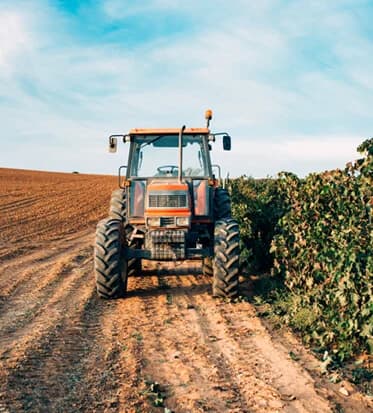
Prediction
Connected Farms is becoming more proactive about crop and device risk
The AI layer gets stronger when field conditions, stale devices, alerts, and seasonal timing stay linked.
 What the system is learning
These notes reflect how the platform is evolving from a collection of features into a more connected, predictive agriculture system.
Latest storiesStronger design helps communicate that Connected Farms is not just a dashboard. It is an evolving farm operating system.
The AI layer gets stronger when field conditions, stale devices, alerts, and seasonal timing stay linked.
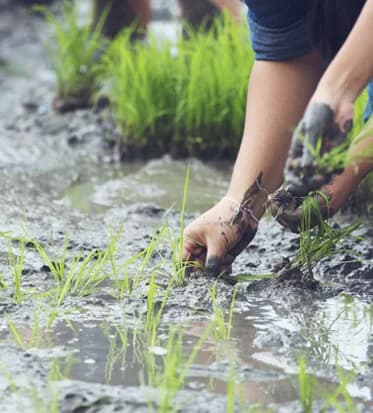
The system improves when platform actions, support responses, and telemetry outcomes are recorded together.
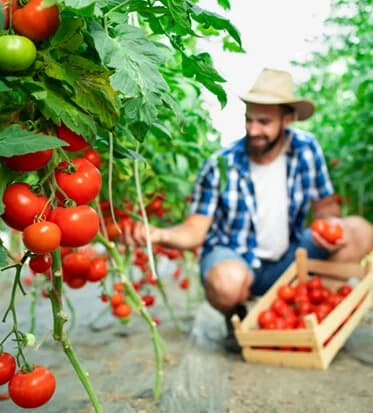
Frontend clarity helps farmers and operators understand what the system does before they even log in.
Learning notesAI matters most when it helps farmers act earlier, prioritize better, and understand the operational story behind the data.
Prediction quality depends on whether sensors, nodes, and farm assets are reporting reliably.
AI should consider crop cycles, greenhouse state, alert history, and operator actions rather than raw values alone.
A strong agritech system gets better with real-world results, not only synthetic bootstrap logic.
Public design influences trust, onboarding quality, and how clearly people understand the product.